


South Korea’s $590B Chip Bet Has Semiconductor ETFs Buzzing, but Memory Cycles Have Burned Believers Before
South Korea’s $590B Chip Bet Has Semiconductor ETFs Buzzing, but Memory Cycles Have Burned Believers Before
John SeetooMon, July 6, 2026 at 3:00 PM UTC
0

FOTOGRIN / Shutterstock.comQuick Read -
SK Hynix and Samsung control roughly 90% of global HBM supply, giving EWY and FLKR outsized exposure to AI's most critical memory bottleneck.
DRAM surged 166% since April but plunged 16% in five days after Michael Burry shorted AI names, then rebounded 8% on Anthropic-Samsung chip talks.
South Korea's $576B chip plan could double DRAM wafer capacity but does nothing to relieve the near-term HBM shortage strangling AI development.
Don't wait: the analyst who called NVIDIA in 2010 just revealed his top 10 AI stocks. See the full list FREE now.
While a justifiable amount of A.I. attention has been devoted to faster and more powerful semiconductor processing chips, the High Bandwidth Memory (HBM) part of the equation is less sexy, but no less important. Without HBM, A.I. has insufficient memory to operate properly — and this has been one of the major bottlenecks to A.I. development. Although Micron Technology (NASDAQ: MU) is the leading US player in memory chips, its global HBM share is only around 10%. The majority of the HBM arena is solidly in Korean hands: SK Hynix's market share is estimated at close to 60%, and Samsung has roughly 30%. The dearth of HBM supply is a primary reason why ETFs holding large allocations of Micron, Samsung, and SK Hynix have done so well in the past year.
Don't wait: the analyst who called NVIDIA in 2010 just revealed his top 10 AI stocks. See the full list FREE now.
This is why a recent announcement from the South Korean government, reported in the Korea Economic Daily, has the industry excited, but wary: President Lee Jae Myung unveiled a sweeping AI and semiconductor push worth more than $576 billion over several years, aimed at cementing Korea's leadership in memory and AI. At its core, Samsung and SK Hynix committed roughly 800 trillion won (about $518 billion), together with suppliers, to build new chip fabrication sites in the country's southwest. Roundhill Memory ETF (CBOE: DRAM) is the only pure-play ETF to watch for the near- and long-term impact of this announcement from an industry purview. Other ETFs that contain these Korean HBM companies include iShares MSCI South Korea ETF (NYSE Arca: EWY) and Franklin FTSE South Korea ETF (NYSE Arca: FLKR).
A High Bandwidth Memory 5-Year Plan
Advanced Micro Devices
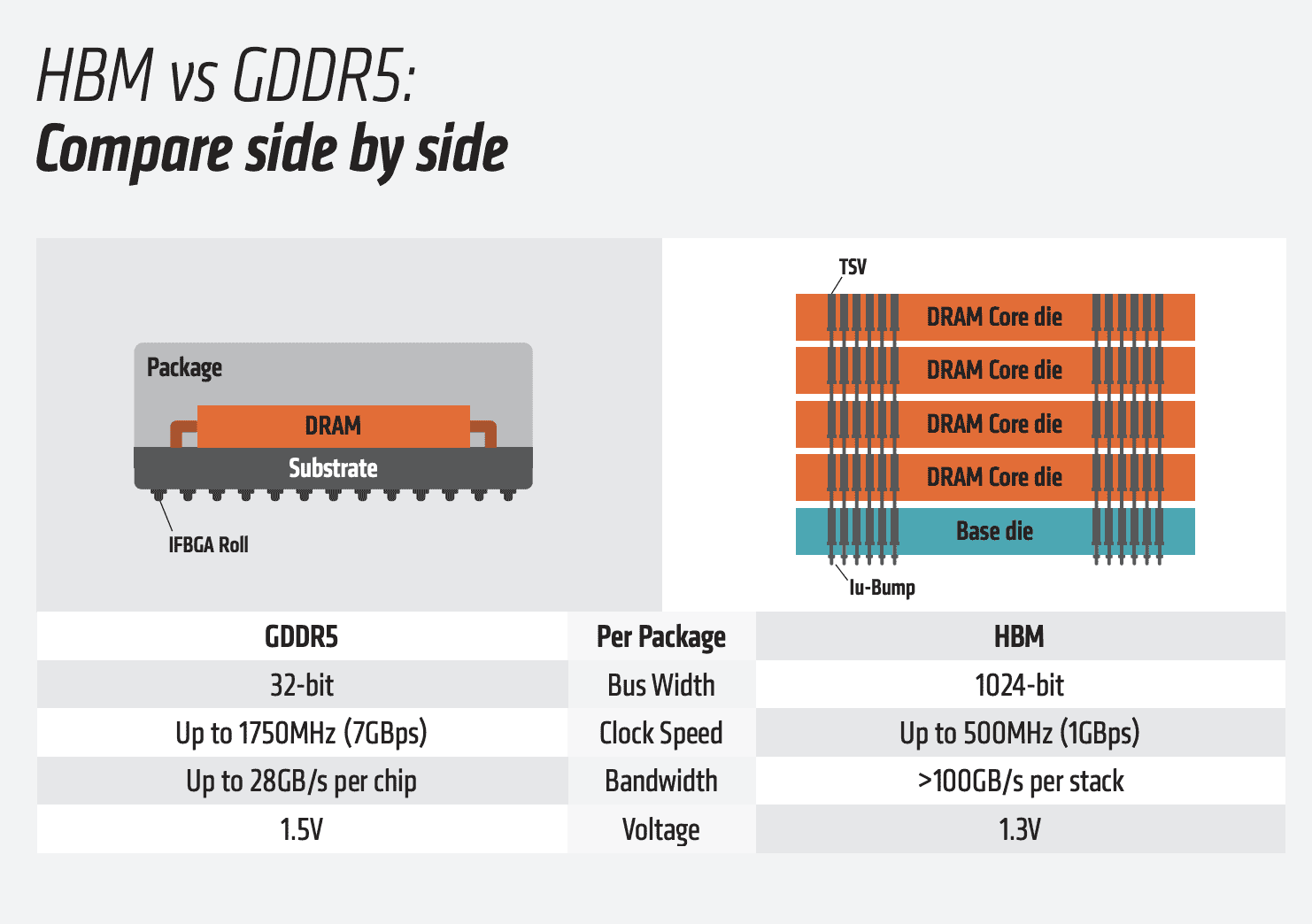
High Bandwidth Memory chips' superior memory capacity and speed is crucial for A.I. operation; the shortage of HBM supply has been one of the biggest bottleneck obstacles to faster A.I. development and implementation.
Because HBM is built by stacking DRAM, the plan's memory component is fundamentally a DRAM- and packaging-capacity story, though it also spans NAND, AI data centers, and workforce development. The expansion project includes the following highlights:
SK Hynix CEO Kwak Noh-jung said the company would spend roughly 80 trillion won on a new fab for NAND memory production by 2029, plus about 20 trillion won for a chip-packaging plant in Cheongju by late 2027.
Samsung committed a large multi-year semiconductor investment in Korea, with reported components including a major expansion of the Yongin fab cluster and existing fabs, a new manufacturing hub in the Gwangju/South Jeolla region, and an HBM back-end packaging line in the Cheonan/Onyang area. (The precise sub-totals reported across outlets vary, so treat any single breakdown with caution.)
A supply-chain hub and advanced packaging cluster for HBM stack production is slated for the Chungcheong area near Seoul, at roughly 81 trillion won.
A consortium including SK Group, GS Group, and Naver plans about 550 trillion won toward 8.4 gigawatts of AI data-center capacity by 2029. Naver's own long-term target is on the order of 1 gigawatt and 25 trillion won in AI-factory revenue by 2030.
JP Morgan analyst Jay Kwon estimates that the initiative could roughly double current DRAM WSPM (wafer starts per month) capacity, with the bulk of spending going to front-end wafer equipment, a smaller share to infrastructure, and the remainder to back-end packaging.
The chip initiative is part of a broader A.I. imperative from the South Korean government. Framed as a "Mega Investment Era," the broader plan also incorporates a multi-year program for R&D and workforce training, development of domestic robotics as a next A.I. spinoff, and sovereign Korean A.I. data centers — with the Ministry of Trade, Industry and Resources (MOTIR) coordinating support to cut red tape.
Roundhill Memory ETF
Gumbariya / Shutterstock.com
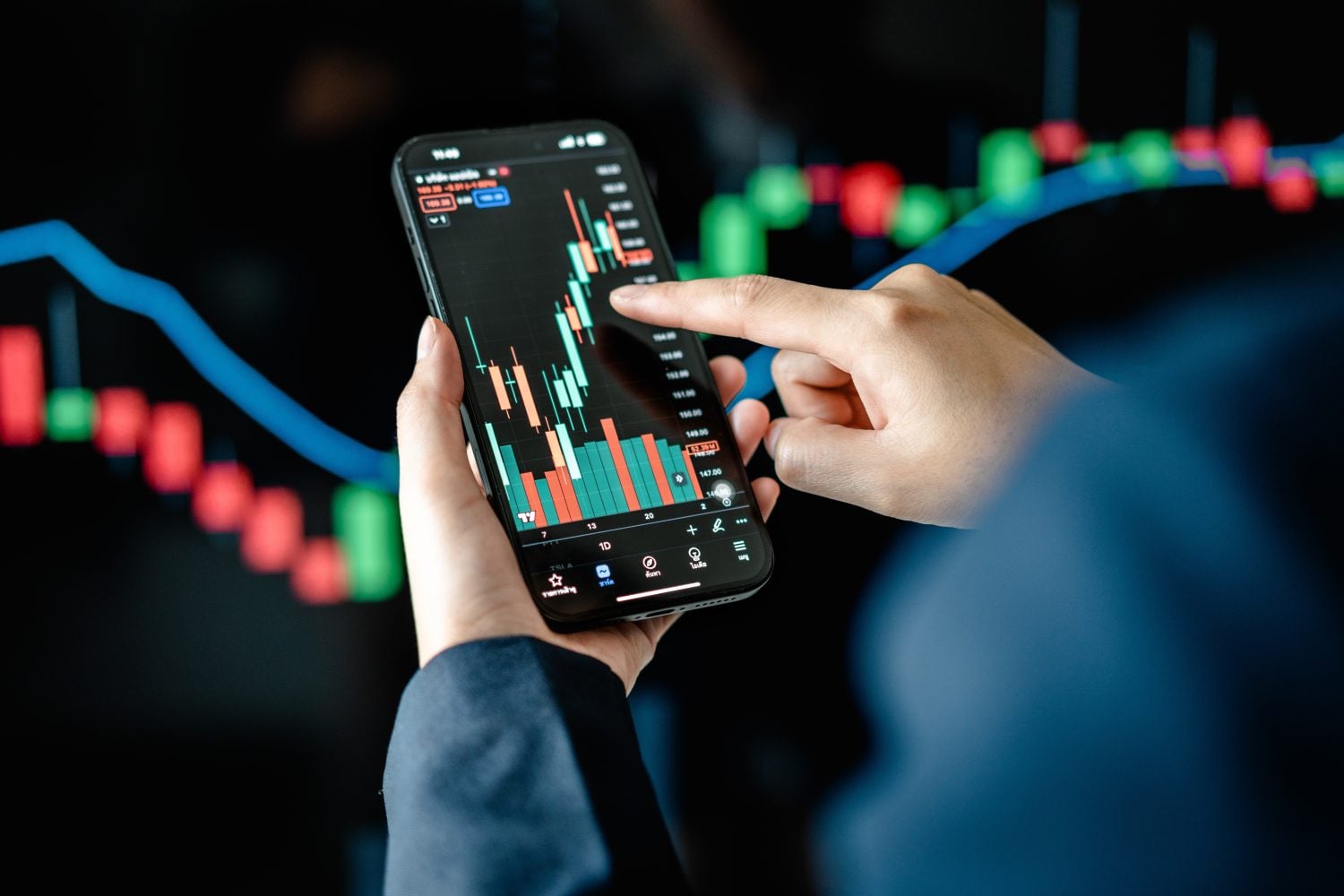
In just three months since its launch in April, DRAM is up +166%, clearly delineating the huge demand and price escalation for High Bandwidth Memory chips.
Since launching on April 2, 2026, DRAM has posted triple-digit gains on a concentrated portfolio of roughly 20 stocks. It holds sizable positions in SK Hynix, Samsung, and Micron, and has no true rival in dedicated memory-chip coverage. Because the fund is only a few months old, it does not yet have a full 52-week trading history. Investors should confirm the latest figures against the fund's current fact sheet, but as of this writing its profile is roughly:
Advertisement
Net Assets
~$10 billion
Since-inception Return
triple digits
Avg. Daily Volume
35.7 million shrs
Expense Ratio
0.65%
$60.83
# of holdings
~20
Top holdings (verify against the latest fact sheet, as weights shift):
SK Hynix
Samsung Electronics
Micron Technology
Kioxia Holdings
SanDisk
Western Digital
Seagate Technology
GigaDevice Semiconductor
Nanya Technology
Winbond Electronics
EWY and FLKR each hold roughly 20–32% combined in SK Hynix and Samsung, but both are broad Korean-equity ETFs rather than memory-chip funds per se. Investors seeking general exposure to those stocks — with other objectives in mind — may still wish to consider them.
Great News - But….?
Kim Min-Hee-Pool / Getty Images
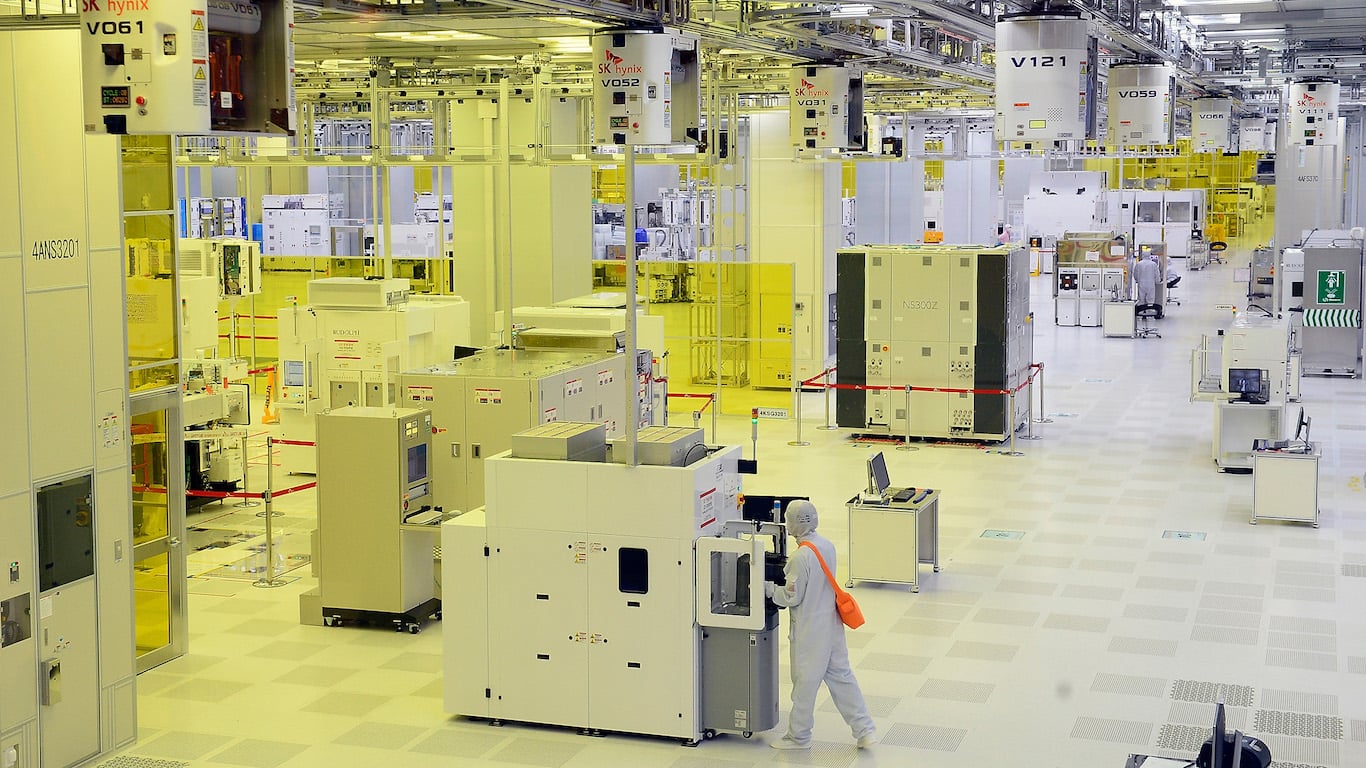
A look inside one of SK Hynix's many factories. - this one from Incheon., South Korea.
The overall takeaway from industry watchers was that the announcement is good news for the longer term, but will do little to address the current HBM shortage, which is hampering A.I. development in the near term. Memory-hungry consumer electronics makers are already contending with tighter DRAM supply and rising prices, and there is no visible near-term relief to the supply chokepoint.
The market reaction has been a roller-coaster, for several reasons:
SK Hynix filed for a first-time U.S. listing on the Nasdaq (via American depositary shares), seeking around $29 billion — one of the largest such offerings on record. Separately, and driven largely by HBM demand, SK Hynix recently overtook Samsung to become Korea's most valuable listed company.
Meta Platforms signaled plans that raised concerns about excess AI compute capacity. Combined with Michael "Big Short" Burry's warning that Korea's massive chip spending marks the "beginning of the end" of the AI rally — he disclosed short positions against several AI-linked names — a sell-off in Samsung (about -9%) and SK Hynix (about -15%) followed.
Both stocks rebounded (roughly +8%) shortly after, buoyed by reports that Anthropic is in talks with Samsung to manufacture a custom A.I. chip.
Despite the gyrations, overall sentiment on DRAM remained "very bullish" according to Stocktwits.
Over the most recent five trading days, DRAM fell about -16%, while EWY was down about -7% and FLKR about -11.9%. For an investor who wants to go all in on memory and HBM, DRAM is the most direct vehicle. For investors who prefer broad exposure to SK Hynix and Samsung — betting that their other technology and capital-markets developments, plus Korean industrial and cultural strength (K-pop and K-drama, Hyundai, and others), will cushion electronics-sector volatility — EWY and FLKR may be more suitable.
Don't wait: the analyst who called NVIDIA in 2010 just revealed his top 10 AI stocks. See the full list FREE now.
Contact editorial@247wallst.com for any questions or corrections.
Source: “AOL Money”
