


Presley Gerber Died of a Suspected Overdose in a Rehab Facility. How Could That Happen? (Exclusive)
Presley Gerber Died of a Suspected Overdose in a Rehab Facility. How Could That Happen? (Exclusive)

Cara Lynn ShultzWed, September 23, 2026 at 2:41 PM UTC
3
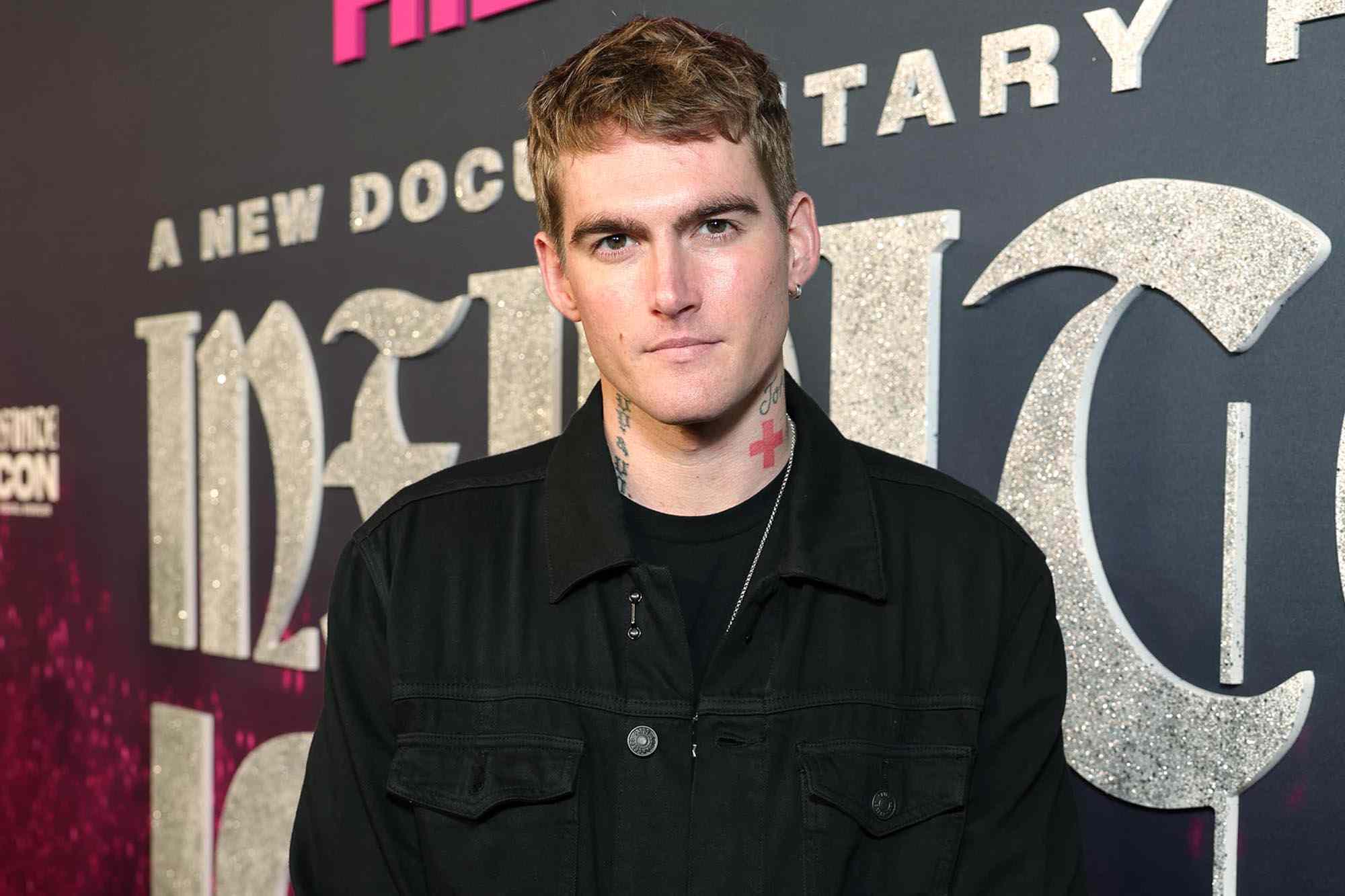
Presley Gerber in Los Angeles in January 2026Credit: Stefanie Keenan/Getty -
Presley Gerber, son of Cindy Crawford, died of a suspected overdose, per the Santa Monica Police Department, at a California rehab facility at age 27
Experts say drugs in rehab facilities are a common issue, often obtained secretly by residents or sold nearby
Relapse is a frequent part of recovery, and reduced tolerance during abstinence can make overdoses more lethal
As more details are revealed about the death of Presley Gerber, some people are wondering how he could overdose in rehab.
The model — who is the son of Cindy Crawford and Rande Gerber, and the brother of Kaia Gerber — died at a rehab facility at age 27 on Sunday, Sept. 20, according to Los Angeles County Medical Examiner records obtained by PEOPLE. A representative for Presley’s loved ones also confirmed the news to PEOPLE, stating, “The family is asking for privacy during this very difficult and painful time.”
Presley died of a suspected overdose while staying at a Santa Monica, Calif., addiction treatment facility, raising the question of how someone could overdose in a place specifically designed to help people recover from substance use.
“The general public expects when someone goes into rehab, they come out ‘cured,’ “ explains Justin Todd, co-founder of AddictionResource, who did not treat Presley. “The sad fact is a small percentage of individuals who enter treatment the first time remain clean and sober in perpetuity.”
He says that drugs in rehab facilities are a common problem.
“Anecdotally, overdoses in sober living homes or treatment centers usually happen after a resident secretly obtains drugs and uses them alone,” he explains.
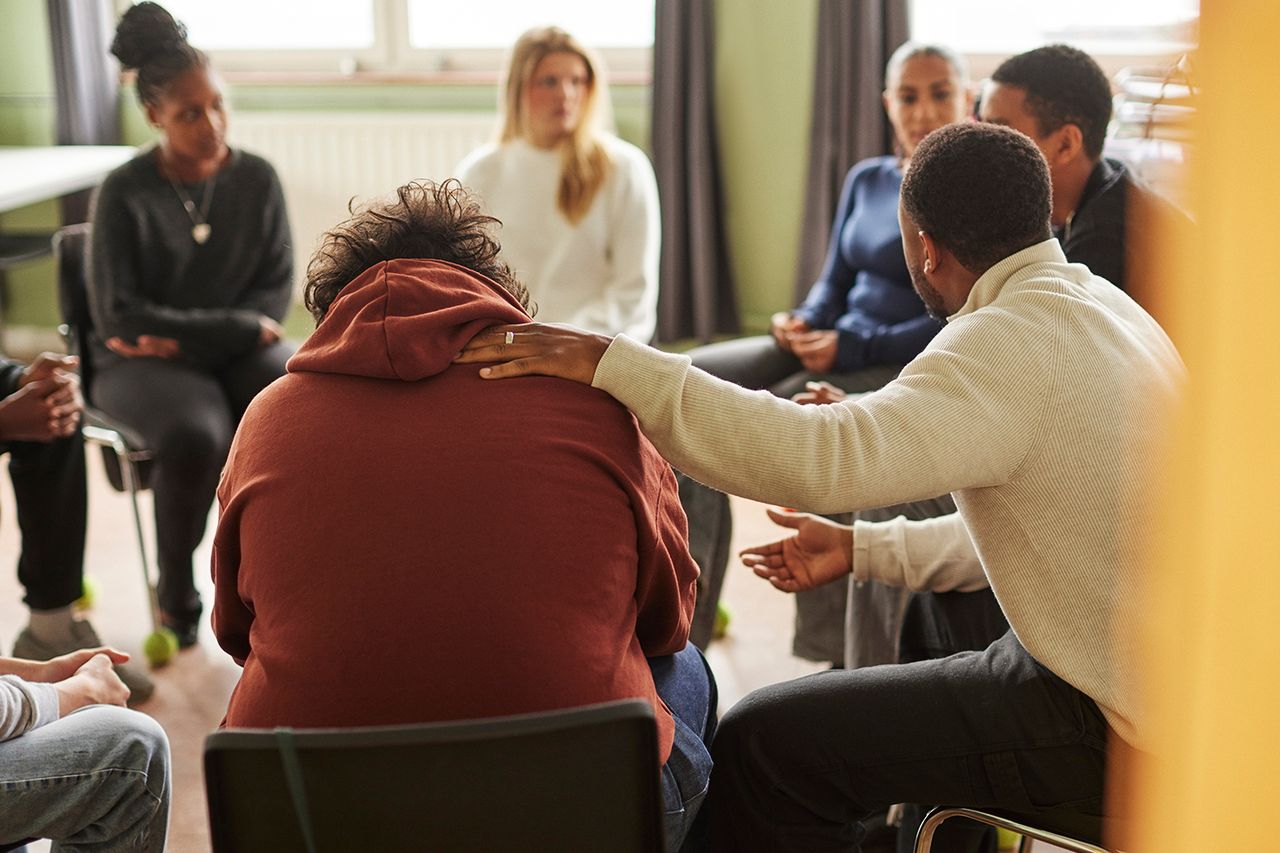
Stock image of a group therapy sessionCredit: Getty
Presley had long been open about his struggles with addiction. In a social media post a few months before his death, Presley shared a video of himself before a psychedelic drug treatment. In the post, he undergoes an “ibogaine flood dose.” Ibogaine, according to Stanford Medicine, is a naturally occurring psychedelic that comes from the root bark of the Central West African shrub Tabernanthe iboga. Some people believe it may help treat addiction, among other ailments.
But he relapsed several months later.
Advertisement
That in itself is not unusual, says Todd. “Unfortunately, relapse is often part of recovery.”
A relapse can be especially lethal if someone has been clean for a while. “The danger is real,” Dr. Sohaib Imtiaz, Chief Medical Officer of PEOPLE Inc., says. “Tolerance drops during abstinence, so a resumed dose can be fatal.”
Patients who sneak drugs into treatment centers are a vulnerable population that can be easily targeted, Dr. Imtiaz says. “Dealers know where recovery housing is and who’s vulnerable. They may sell within or near the residence, which is why guidelines emphasize removing anyone who distributes,” he says. And “simply being around peers who are using — or who talk about using — can trigger powerful cravings, even without direct exposure to drugs.”
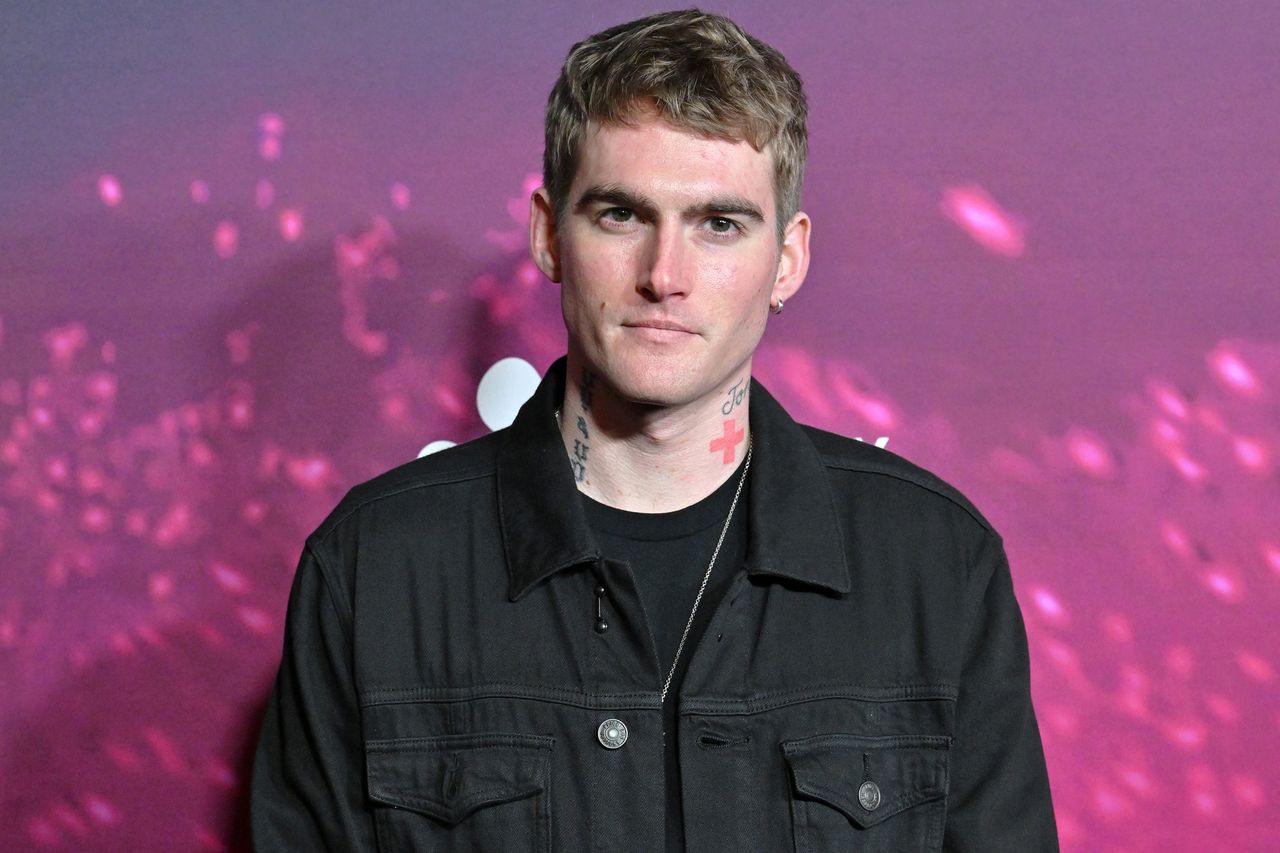
Presley Gerber in Los Angeles in January 2026Credit: Axelle/Bauer-Griffin/FilmMagic
Take PEOPLE with you! Subscribe to PEOPLE magazine to get the latest details on celebrity news, exclusive royal updates, how-it-happened true crime stories and more — right to your mailbox.
Still, Imtiaz says, rehab facilities are beneficial for many addicts. “Simply completing treatment is protective — it independently lowers post-discharge overdose deaths. So the classic trajectory — finishing rehab, moving into a good sober house — is exactly the path associated with better survival.”
“Benefits vary by person and by program quality. But the argument is for choosing credentialed programs, not for avoiding these facilities,” he says. “They work, and they should be encouraged as a step on the recovery path.”
If you or someone you know is struggling with substance abuse, please contact the SAMHSA helpline at 1-800-662-HELP.
If you or someone you know is struggling with mental health challenges, emotional distress, substance use problems, or just needs to talk, call or text 988, or chat at 988lifeline.org 24/7.
on People
Source: “AOL Entertainment”
